Façades are exposed to harmful UV rays and weathering. Moisture causes the most damage to façades (either in the form of water vapor or as running water that stays on the surface and wets it). Moisture causes mould and algae to grow on façades, dirt to accumulate and cracks to appear if it penetrates the surface. In addition, moisture is a carrier of acid gases (nitrogen and sulphur oxides) in urban and industrial areas, which also penetrate the walls and can even cause damage to structural reinforcement. The primary role of the top coat is therefore to remove moisture and protect the thermal insulation or, if there is none, the façade building blocks from moisture.
Choice of façade paint
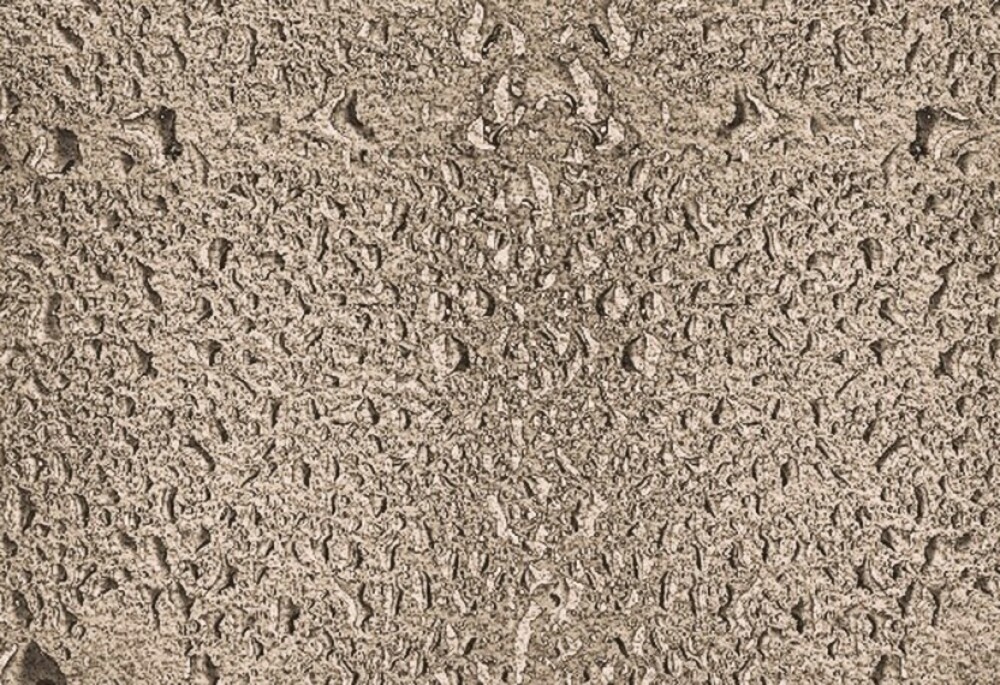
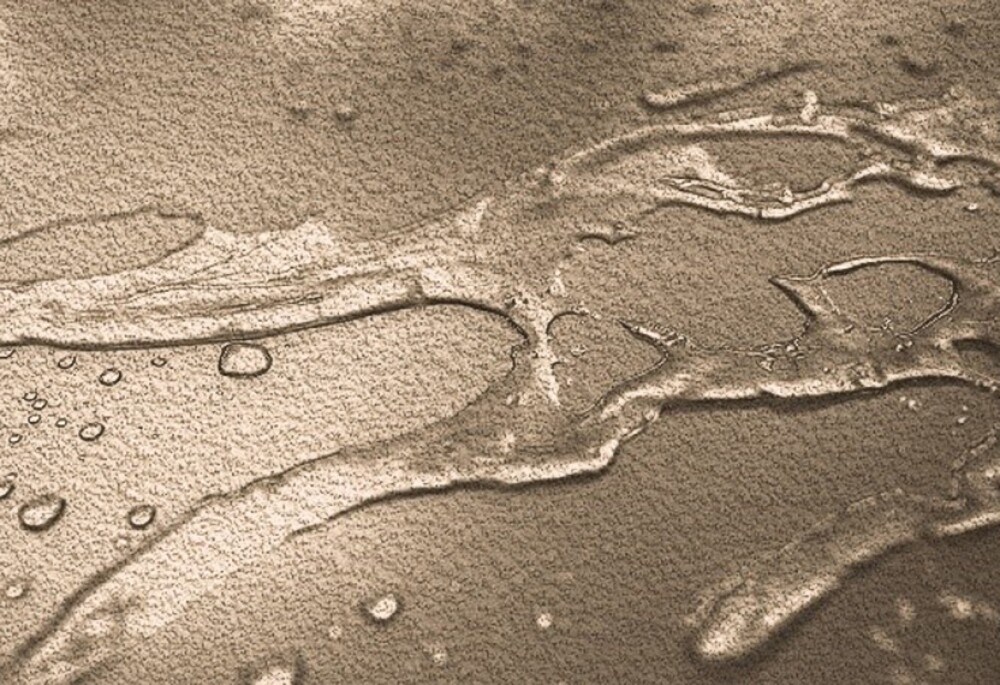
As damp is the main cause of damage to façade coatings, preventing water absorption is the most important factor in choosing a suitable façade paint. Add to this the chosen shade’s high and long-lasting durability, and you get the new SPEKTRA Top Dry façade paint. The paint boasts a special hydrophilic component of the coating film, on which raindrops or moisture are dispersed into very small droplets. The coating’s second feature is that it is water-repellent, which means that water absorption is extremely low (Image 1).
classic façade paint
SPEKTRA Top Dry
Water droplets are therefore not absorbed into the substrate but simply evaporate, and the façade surface dries extremely quickly.A significantly lower amount of dirt is deposited on the coating, and the façade consequently remains clean and undamaged for a long time. Minimal moisture absorption and excellent UV and weather resistance ensure the coating’s long service life. We therefore recommend SPEKTRA Top Dry for both the restoration and first painting of façade surfaces.
Choice of colour shades
The top coat has an aesthetic role, as each building has its own specific location and appearance, and so the colour shade has a big impact. Most customers find the choice of colour shade to be crucial. Each colour shade is prepared from pigments that have different UV and weather resistance depending on their chemical composition and origin. Pigments are roughly divided into organic and inorganic, with inorganic pigments being significantly more UV and weather resistant than organic pigments. On the other hand, organic pigments are more beautiful, with clean and vivid shades, and a very beautiful effect when shades are mixed. In contrast, shades made from inorganic pigments are earthy and look a bit dirty, and certain shades cannot be created from them at all. For façade surfaces exposed to the harmful effects of UV rays, shades based on inorganic, UV and weather resistant pigments are more suitable. Fading shades is a common problem on façade surfaces, which indicates that less durable organic pigments were used to create the shade. Of course, a shade’s stability is also affected by the quality of the top coat, which must also ensure the best possible weather and UV resistance,
regardless of the selected shade. SPEKTRA Top Dry façade paint combines both: high UV and weather resistance both in terms of the coating quality and UV and weather resistance of the colour shade. 450 shades can be created according to the new Exterior Colour Collection colour chart, all of which are made only from highly UV and weather resistant inorganic pigments.
Cold coatings
Sunlight emits UV and infrared (IR) radiation, which are harmful to all types of substrates, as they heat objects to often unmanageable levels. IR radiation makes up about 50 percent of the total solar radiation (Image 2).
Dark surfaces absorb solar energy and convert it into heat, while light surfaces reflect most of the solar energy. Most dark surfaces become very hot when exposed to sunlight and require more cooling. The temperature of a dark surface exposed to the sun can reach an incredible 80 °C, while on a light background it stops at 40‒50 °C.
A high surface temperature can have a negative effect on the coating, especially if it is black or another very dark shade. Heating causes the coating film to stretch, which then shrinks as it cools. Repeated stretching and shrinking causes cracks to appear and consequently shortens the coating’s service life. So-called IR-reflective (cold) pigments can be used to create dark shades that also reflect IR radiation, and consequently help keep the surface cool (Image 3).
Image 3: Comparison of sunlight reflected from a coating in a shade made with classic pigments and from a coating in the same shade made with cold pigments
Although we recommend choosing lighter shades with less heating for façade surfaces, dark façade shades can now also be a good choice thanks to IR-reflective pigments. 70 selected dark shades (marked ☼IR on the colour chart) can be created with IR-reflective pigments, which allow a lower surface temperature compared to the use of classic pigments. The service life of dark façades is significantly extended or comparable to the service life of coatings in lighter shades. Cool shades are available for SPEKTRA Top Dry façade paint and SPEKTRA acrylic façade paint.