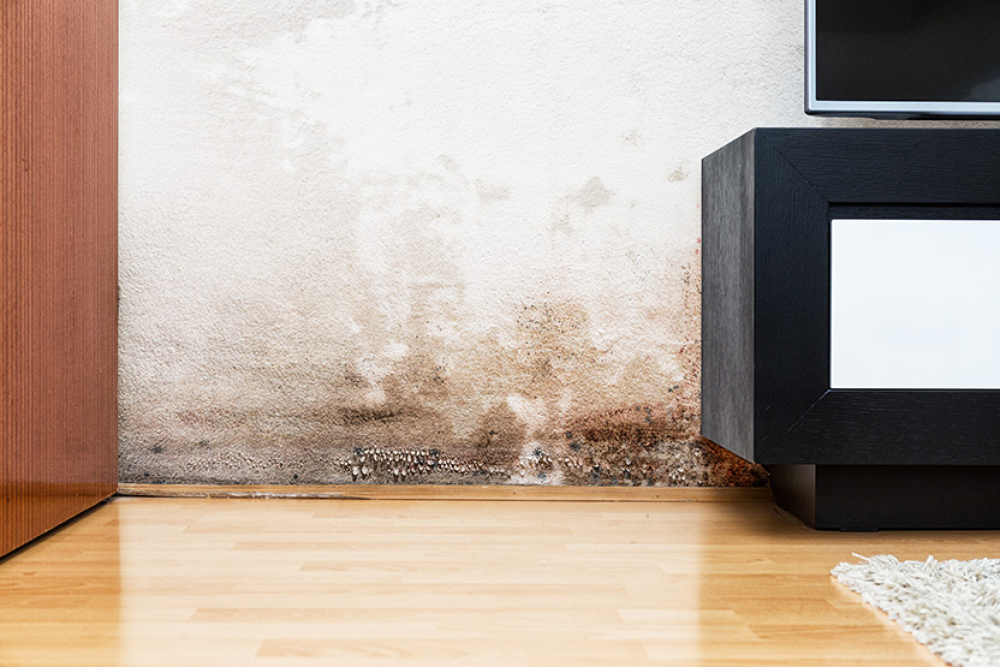
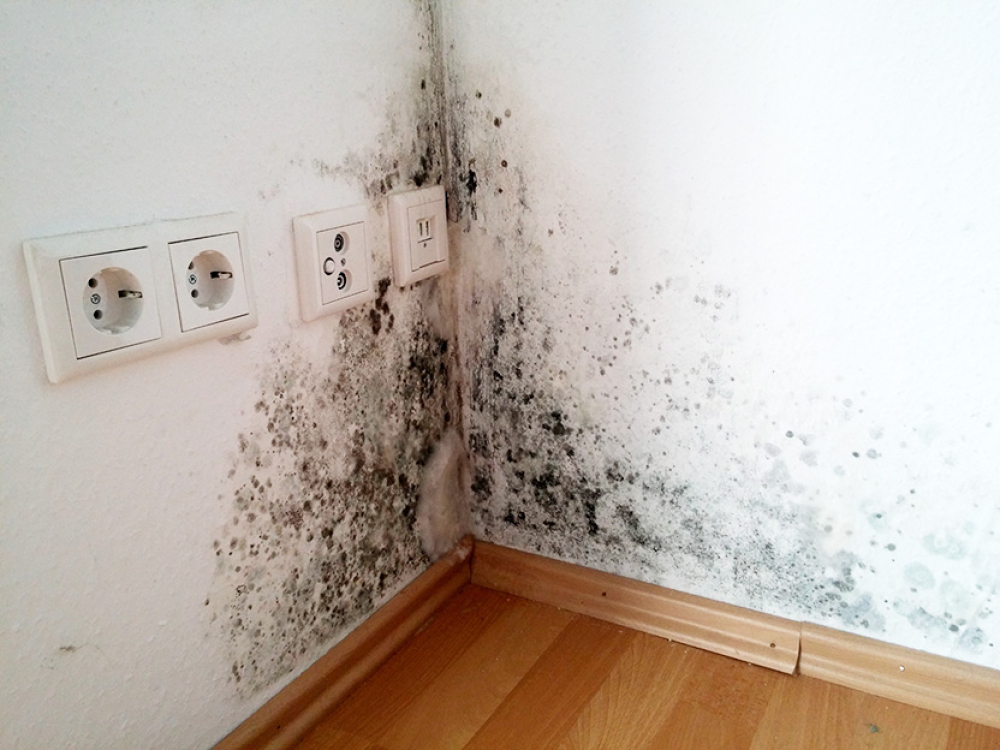
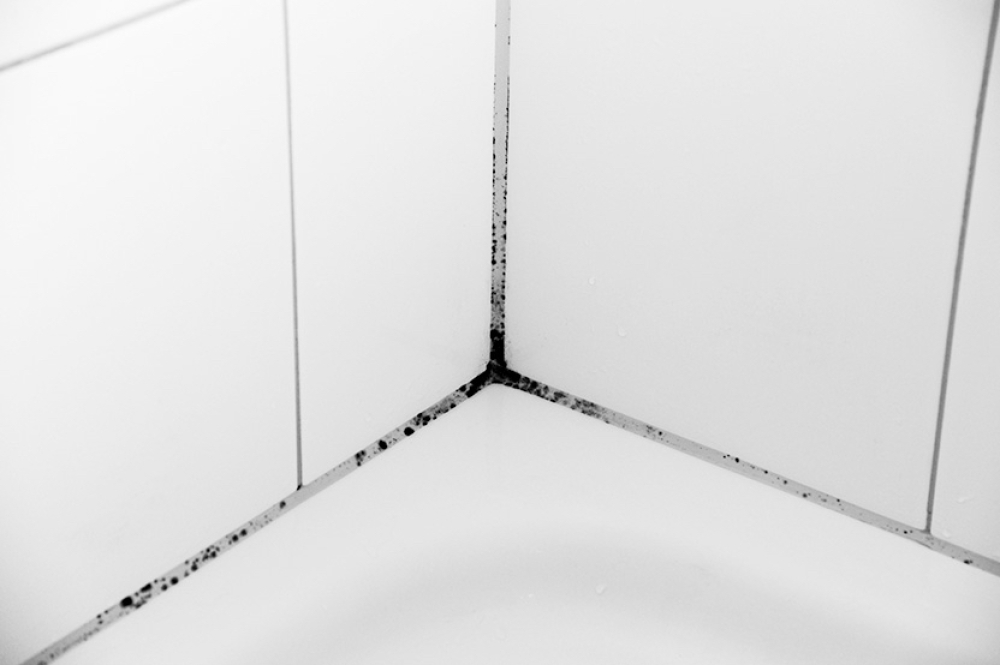
In addition to organic matter, mould needs sufficient moisture and a closed space to grow. This is why it occurs in residential and industrial buildings where these conditions are met: in bathrooms, kitchens, basements, poorly ventilated rooms, laundries, food processing facilities, etc.
Moulds are micro-organisms of different species that grow in hyphae (filamentous structures), which are networked together to form mycelia. Mycelium secretes substances (enzymes) that are involved in breaking down the organic materials that the mould needs to eat in order to grow and reproduce. According to some estimates, there are around 250,000 different moulds, and around 100 of them can be found in residential environments. Not all moulds are harmful, and some are used in the food and the pharmaceutical industry. However, if they grow in the home, their spores can also cause health problems such as headaches, allergies and respiratory diseases.
Causes of mould growth
If you want to permanently prevent mould, you first need to identify the causes and remove them, which is of course not always possible. One of the easiest causes to eliminate is insufficient ventilation. This is not just a matter of opening the windows, but also of ensuring that the air in the room is circulating properly. Furniture should be positioned at least a few centimetres away from wall surfaces. Mould often appears after windows have been replaced, as new windows seal very well and moisture from the air can no longer diffuse from the room. Excessive humidity can condense in colder places and create conditions for mould to grow. Poorly implemented thermal insulation of a building leads to thermal bridges, where surfaces cooled below the dew point temperature are prone to condensation of air moisture and thus perfect conditions for mould growth.
The renovation of infested wall surfaces happens in two steps:
Mould destruction – curative treatment,
Restoration painting – preventive treatment;
Mould remediation on interior wall surfaces
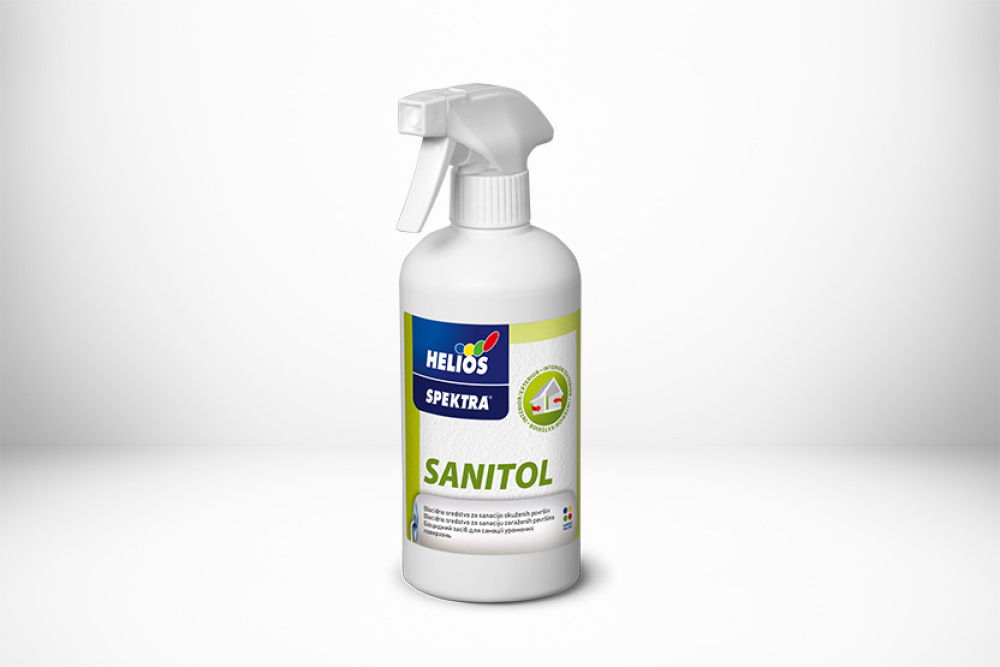
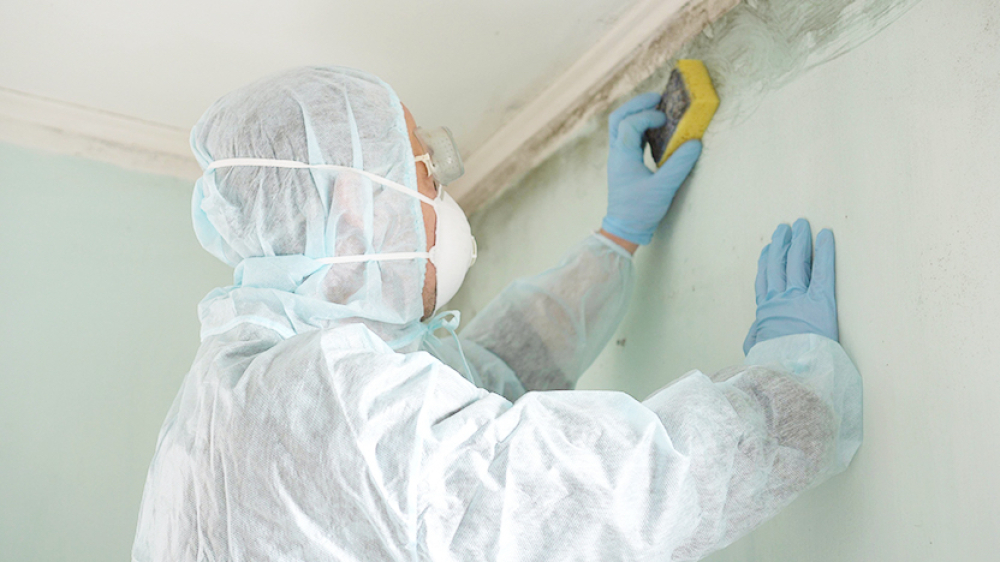
When you want to repaint mould-infested wall surfaces, you need to remove the mould before applying the paint. We do not recommend direct removal of live mould by brushing or sanding. This way, the spores at the end of the hyphae are dispersed throughout the room, allowing mould to grow in other places. Wall surfaces affected by mould should be coated with SPEKTRA Sanitol, a biocidal product that contains a biocidal formulation that effectively kills bacteria, mould, algae and yeasts on the surface and, due to its good penetration, also in the substrate. It is important to be aware that moulds also grow into the substrate in a filamentous way, so it is necessary to use a product that does not break down too quickly, which is the case when using products containing oxidising agents such as sodium hypochlorite (bleach) or hydrogen peroxide. Such disinfectants have only a superficial and short-term effect and may even damage the existing coating. Visually, the effect of oxidising agents appears to be better, as they also bleach mould-infested surfaces at the same time, which does not visibly occur with SPEKTRA Sanitol, but as already mentioned, this is not a measure of the actual effectiveness of the biocidal agent.
Apply SPEKTRA Sanitol (diluted with water to 1 part Sanitol + 4 parts water) on infected surfaces and at least 20 cm around the infection with a large paintbrush, rubbing it into the substrate as much as possible. Once the applied SPEKTRA Sanitol has dried, lightly sand the surface with fine sandpaper (No. 150-180) or a suitable sanding machine. If the infection is very large, the procedure can be repeated.
The preparation of the substrate follows:
remove loose particles, and cover major surface damage and cracks with mineral-based levelling compounds,
micro-cracks and unevenness are levelled with SPEKTRA Level Medium or SPEKTRA Level Fine dispersion levelling compounds,
strengthen old, repeatedly repainted surfaces by impregnating with SPEKTRA Impregantion Acryl Special,
wall surfaces must be dusted, cured, dry and, if necessary, impregnated before painting.
Preventive decorative protection of wall surfaces
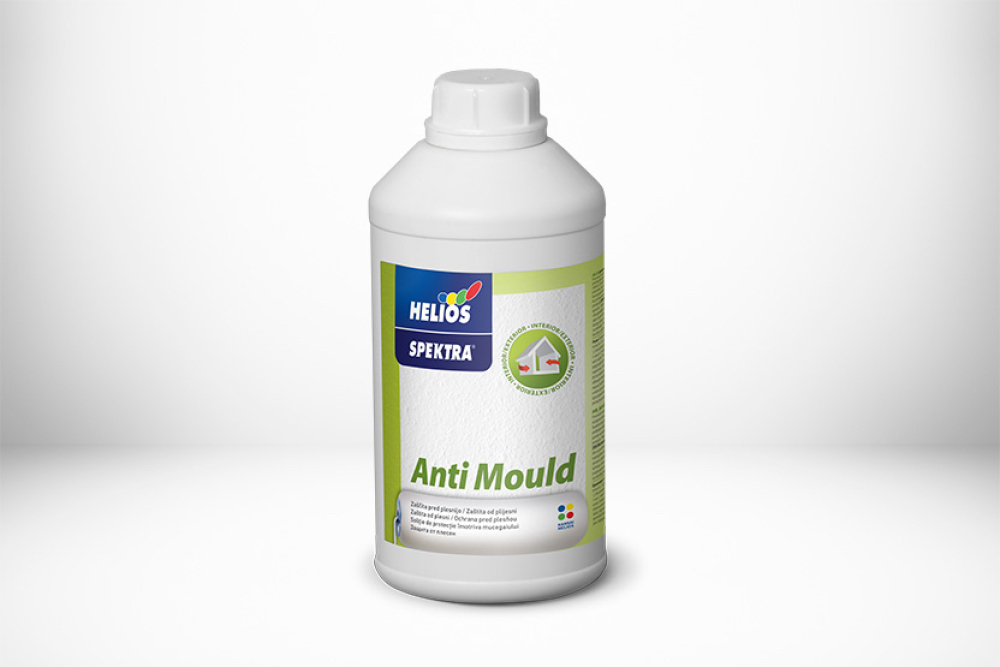
If you have not been able to remove the causes of mould, it is more likely to grow again. This is why we recommend using highly vapour-permeable paints that allow moisture to pass through the wall surfaces more quickly. 10% of SPEKTRA Anti Mould can be added to the selected paint, as it contains a biocidal agent that prevents the reappearance of mould for a longer period of time. This protects the coating against both the growth of mould and the mechanical deterioration it causes.
An even better solution is to use SPEKTRA Kitchen & Bathroom interior wall paint. The paint is highly vapour permeable and already contains a biocidal agent that inhibits mould growth for a longer period. It has excellent coverage and covers even the most stubborn stains in two coats.
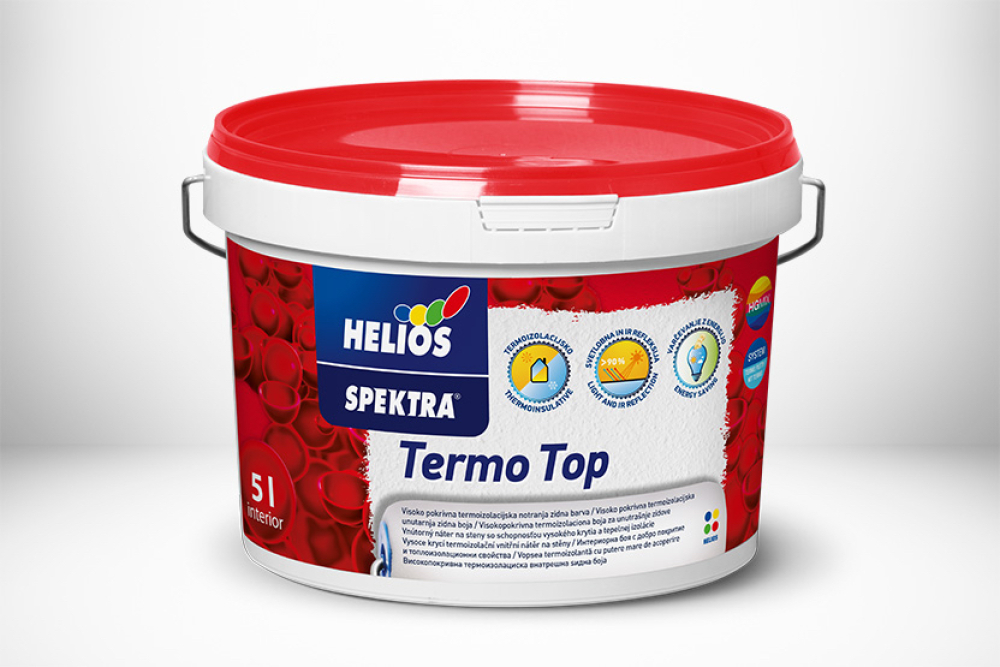
If mould is caused by faulty construction, remediation in terms of installing or repairing thermal insulation is often not possible. In such cases, a simple and more affordable solution is to use the SPEKTRA Level Termo thermal insulation levelling compound to treat the internal wall surfaces. This is then painted with SPEKTRA Termo Top thermal-insulation coating. Both products contain hollow glass beads or fillers which, due to their composition, create a thermal barrier and prevent condensation and mould formation. As a result, the walls are more comfortable and warmer to the touch, and the room is brighter because at least 90% of light is reflected from the coating. The coating system also offers partial sound insulation and adequate mechanical resistance (due to the glass beads). The biocidal agent further prevents the reappearance of mould behind wall surfaces. All these characteristics prevent mould formation and also decrease the costs of heating, cooling, lighting and, last but not least, of repairs for wall surfaces.
SPEKTRA Level Termo is applied in two coats, 2 – 4 mm thick. As the material is very light, it does not put a heavy load on the wall. Once SPEKTRA Level Thermo has dried, apply 1 coat of SPEKTRA Level Medium or SPEKTRA Level Fine for smoothing and sanding. Then paint the walls with SPEKTRA Termo Top in white or pastel shades, which can be tinted in stores equipped with the HGMIX mixing system.
Use biocides with caution. Always read the label and product information before use.